Assessment 07/30/21
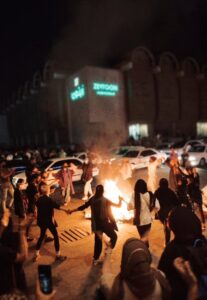
The cities in Ilam province, in western Iran, along the Iran-Iraq border, were inflamed and people were enraged earlier this week. People in the streets were burning the portraits of Supreme Leader Khamenei, setting fires to trash cans and tires and blocking the main roads to the cities. Clashes in residential neighborhoods with voluntary security forces, known as Besijis, and patrol cars have also been reported.
During electricity blackouts in Tehran, in thirteen neighborhoods, people continued shouting anti-government slogans from rooftops and apartments. These neighborhoods included Tehran Pars, Aqdasiyah, Ponak, Hesarak and Jannat Abad.
In Isfahan, people were in the streets at night shouting anti-government slogans as well. Countless security service personnel were also seen in the streets. Although Isfahan has been considered the bastion of the pro-regime Hezbollah, it has been reported that destitute citizens refused to receive food, clothing and medical supply from IRGC deliveries. It has also been reported that a total of 30,000 packages had been refused and citizens were throwing rocks at Besijis forces.
In nineteen other Iranian cities, people were also in the streets in earlier in the week including in Tehran, Arak, Ilam, Sarab, Behbahan, Ahvaz, Ramhormoz, Sabzevar, Bojnord, Zahedan and Zabol. The number of participants in these cities continued to grow.
In addition, four cases of armed conflict were reported in Tehran, three of which were clashes with Besijis. Since last week, there have been numerous clashes between street demonstrators and local Besijis. Some Besijis are volunteers brought in to safeguard their neighborhoods at night. Many of these volunteers are now refusing to turn up for duty. Reports from inside IRGC indicate that at least 176 Besijis were attacked and many were severely beaten and injured.
Families in more than 300 Iranian villages are protesting to local village authorities about basic services such as food, price hikes, blackouts and other issues. Villagers have not received reasonable answers to their demands. In response, village elders are holding meetings in local mosques to discuss the growing crisis and the villagers’ discontentment, and the elders plan on taking up the alarming developments with senior authorities in provincial capitals next week.
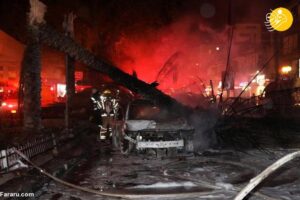
Every night this week, in more than 139 Iranian cities, clashes have been taking place with security forces. Attacks against Besijis have been commonplace. Security vehicles have been tampered with and damaged beyond repair.
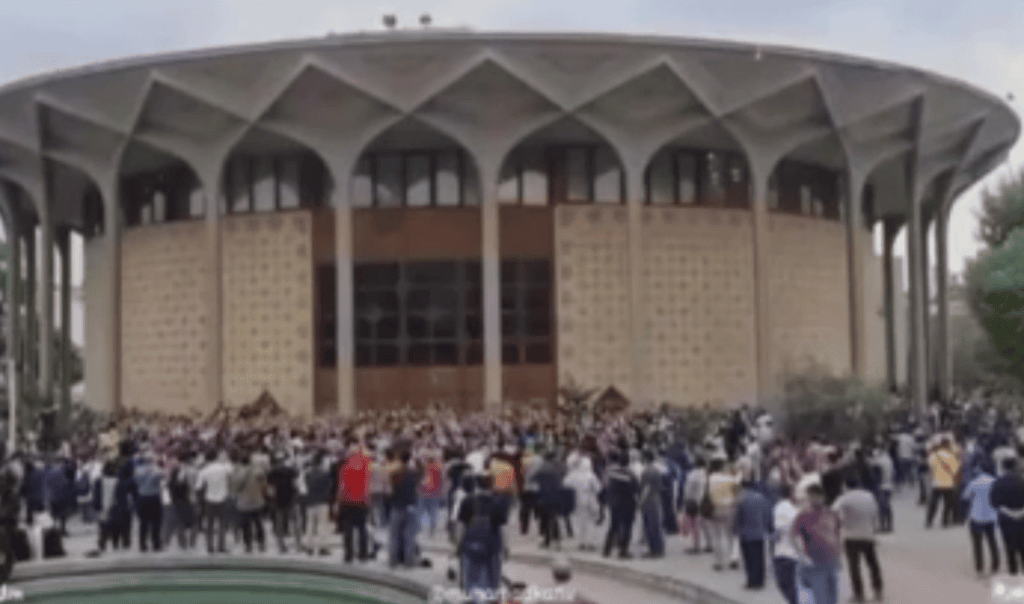
Iran’s Ministry of Intelligence has come out publicly to say that if disturbances continue in major centers and squares in Tehran, those protests will be difficult to control. If disturbances extend to the main government buildings, structures will become vulnerable.